Skip to content

cashflowarena.com

  • Basics
  • Transactions & Fees
  • English
  • Español
  • Français
  • Português
  • Русский

Layer 1 vs Layer 2: How Ethereum and Rollups Relate
October 30, 2026 by Javier Burco
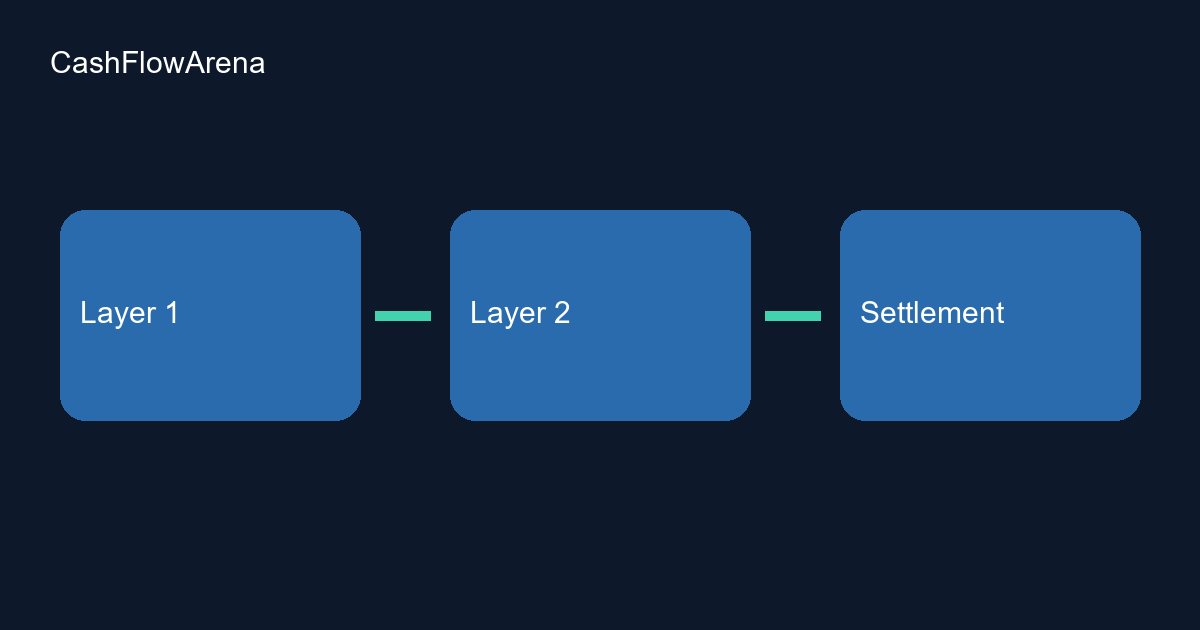
Diagram: three blue blocks labeled «Layer 1», «Layer 2», «Settlement», connected by two green lines.

Ethereum Mainnet is layer 1. Learn how layer 2 handles transactions away from Mainnet, how rollups connect execution with data, and why network labels do not establish safety.
Categories Basics

What Is a Blockchain Oracle? Understanding External Data Feeds

October 30, 2026 by Javier Burco
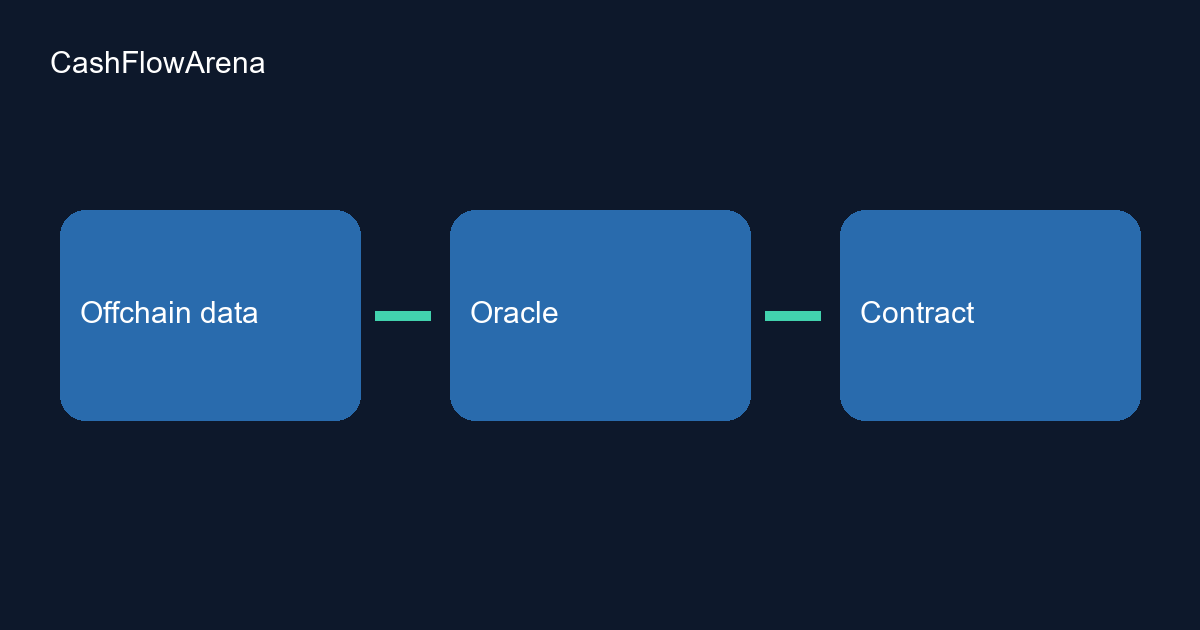
Diagram: three blue blocks labeled «Offchain data», «Oracle», «Contract», connected by two green lines.

Blockchain oracles make offchain information available to smart contracts. Learn how to separate the feed’s role, its sources and trust model, and unanswered questions about availability and updates.
Categories Basics

What Is ERC20? Understanding Ethereum’s Token Standard

October 30, 2026 by Javier Burco
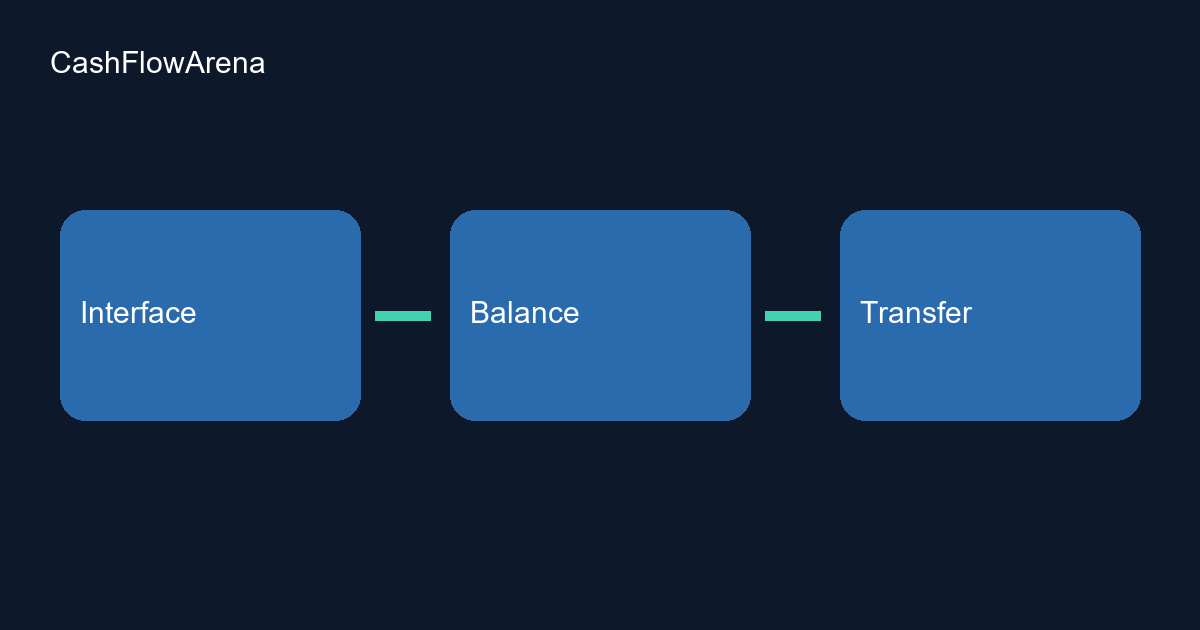
Diagram: three blue blocks labeled «Interface», «Balance», «Transfer», connected by two green lines.

ERC-20 gives token contracts a common interface. Learn how total supply differs from an address’s balance, what Transfer events specify, and why name, symbol and decimals are optional.
Categories Basics

What Is a Smart Contract? Code, State, and Calls on Ethereum

October 30, 2026 by Javier Burco
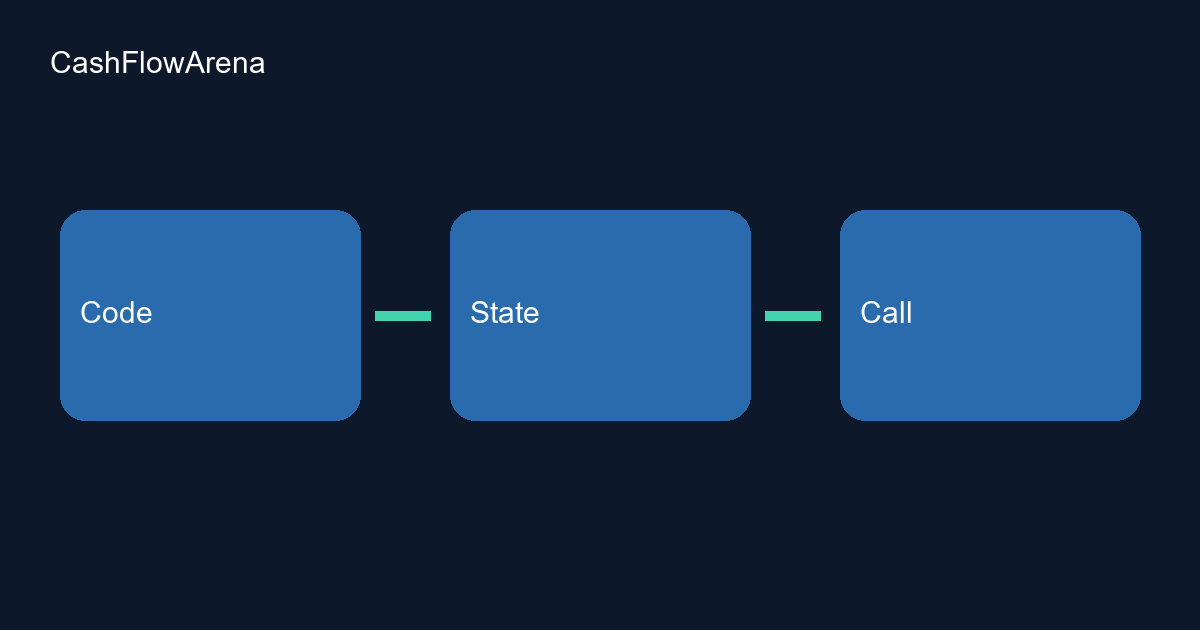
Diagram: three blue blocks labeled «Code», «State», «Call», connected by two green lines.

Understand Ethereum smart contracts as code and state at an address, how user accounts invoke functions, and why offchain information requires a separate data source.
Categories Basics

Ethereum Nodes and Clients: Roles, Types, and Verification

October 30, 2026 by Javier Burco
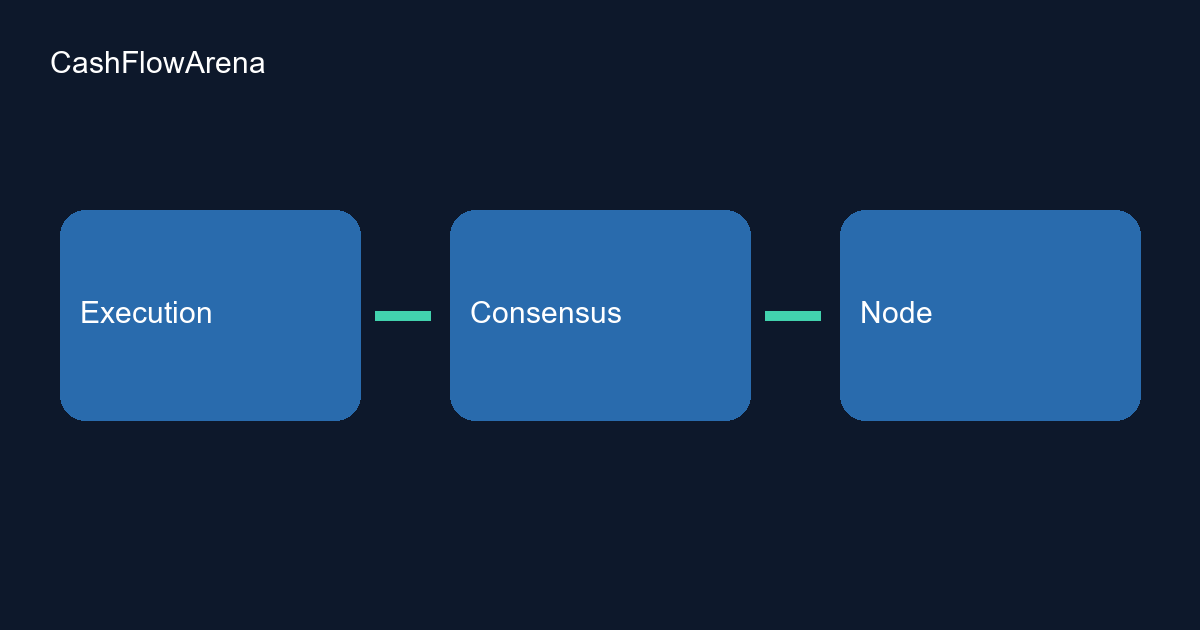
Diagram: three blue blocks labeled «Execution», «Consensus», «Node», connected by two green lines.

Understand how Ethereum nodes relate to execution and consensus clients, how full and archive roles differ, and what changes when data comes from remote RPC.
Categories Basics

Ethereum Account Nonce: Understanding Transaction Sequence

October 30, 2026 by Javier Burco
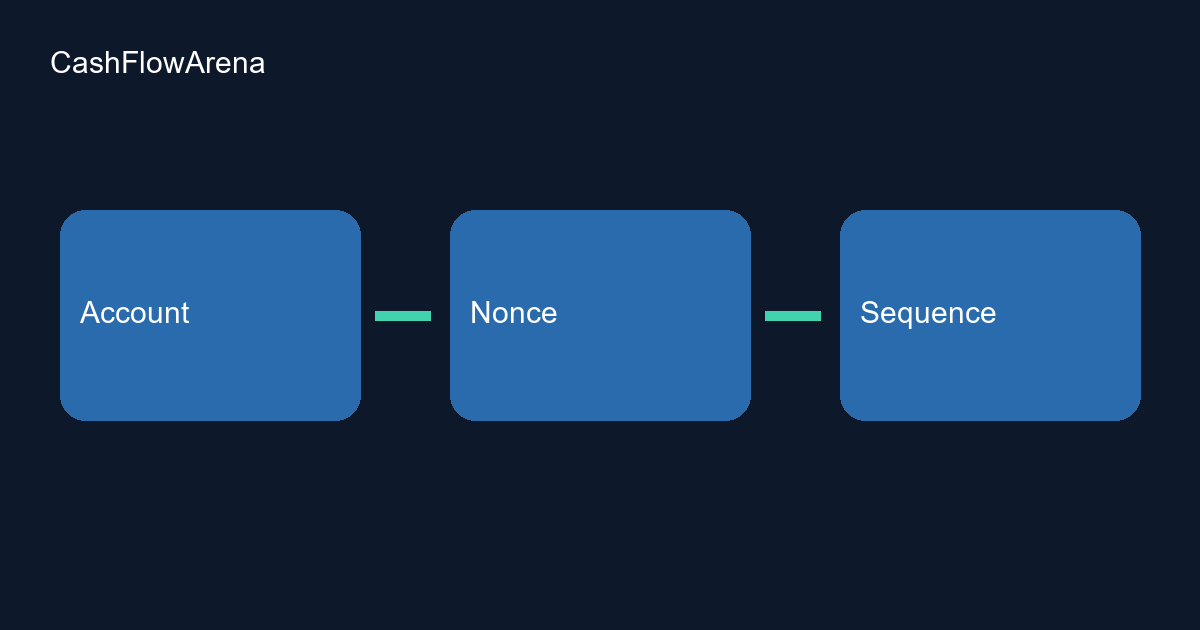
Diagram: three blue blocks labeled «Account», «Nonce», «Sequence», connected by two green lines.

Understand Ethereum’s account transaction nonce, its role in ordinary EOA sequencing, and why an RPC transaction count needs a specified block context.
Categories Transactions & Fees

How Is a Transaction Verified? Ethereum Explained

October 30, 2026October 30, 2026 by Javier Burco
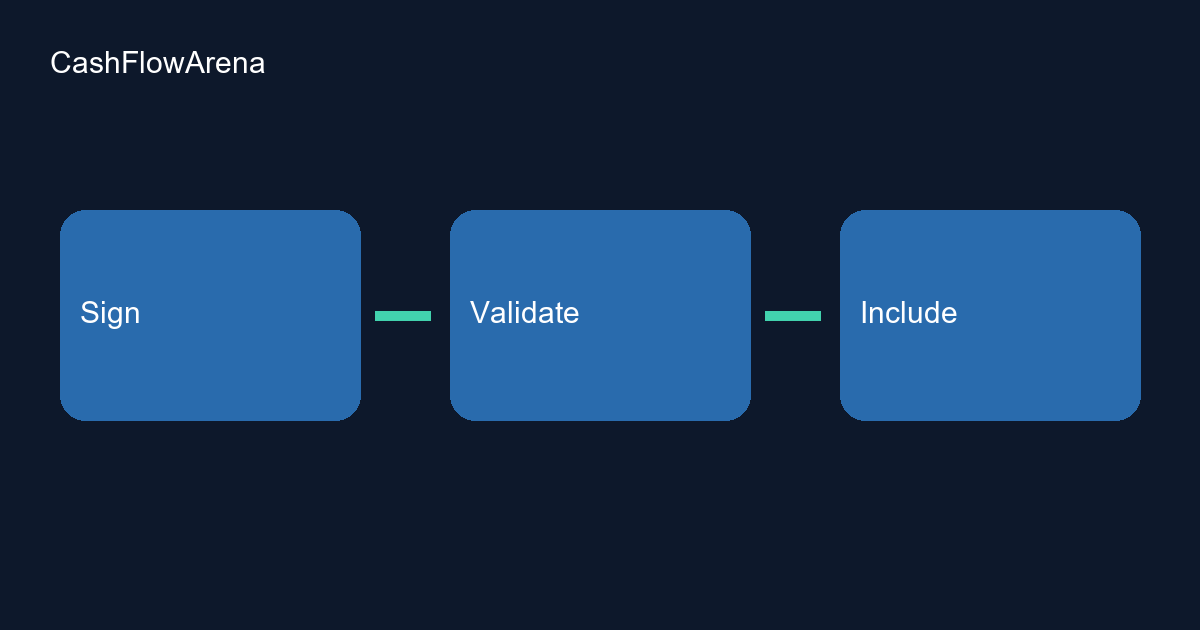
Diagram: three blue blocks labeled «Sign», «Validate», «Include», connected by two green lines.

Ethereum transaction verification involves authorization, execution, block inclusion, and consensus. Learn why an included transaction can still have failed execution.
Categories Transactions & Fees

ERC-20 Decimals Explained: From Raw Units to Display

October 30, 2026 by Javier Burco
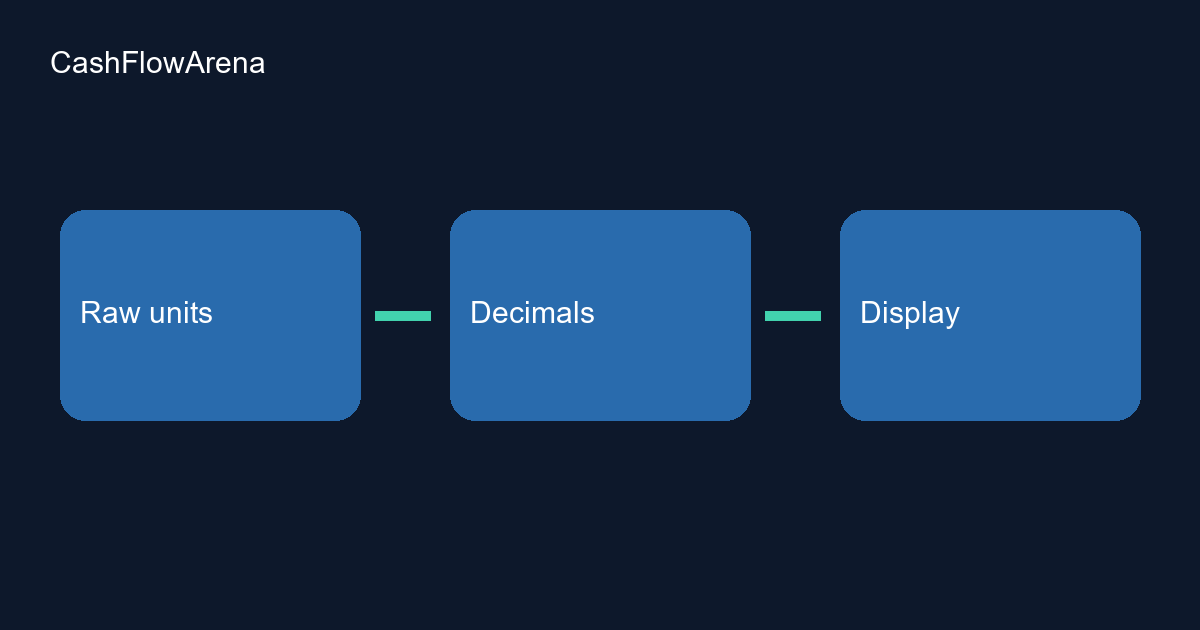
Three blue blocks labeled Raw units, Decimals and Display, connected in order by two green arrows.

Understand ERC-20 decimals through raw integer units, a hypothetical scaling example and the distinction between optional EIP-20 metadata and OpenZeppelin’s default.
Categories Basics

How to Read an Ethereum Transaction in a Block Explorer

October 28, 2026 by Javier Burco
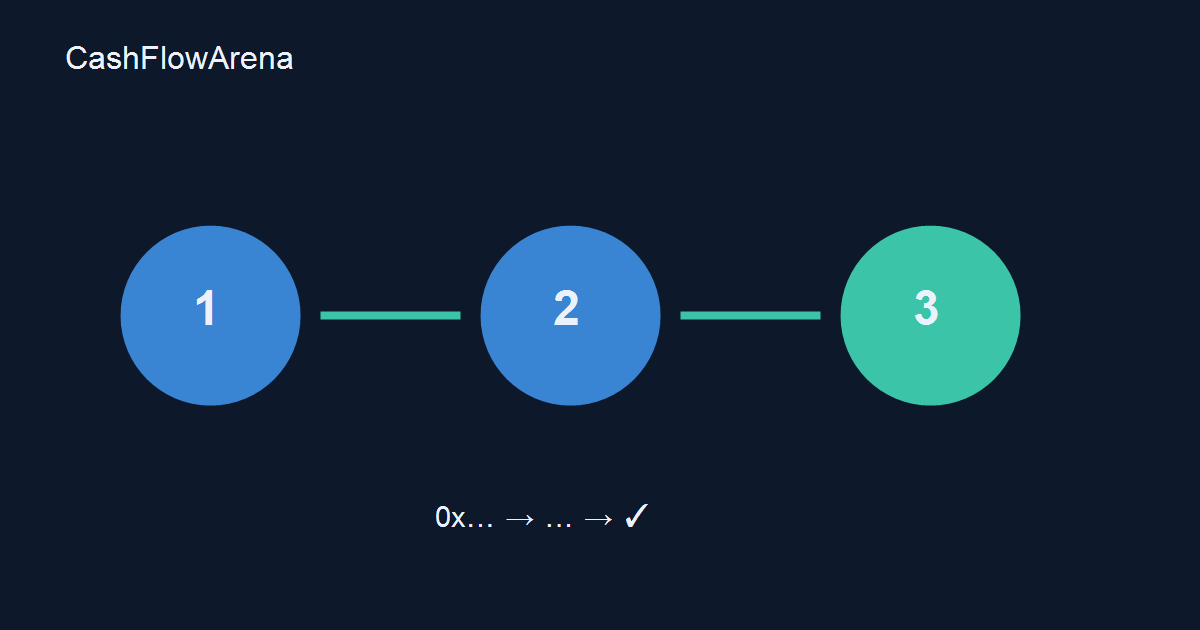
Three stages of a transaction check: identify, inspect and verify the result.

Use the transaction hash to distinguish pending, failed and successful execution. Check the network, recipient and receipt before drawing conclusions.
Categories Transactions & Fees

Ethereum Gas Fees: Why the Fee Differs from the Amount Sent

October 28, 2026 by Javier Burco
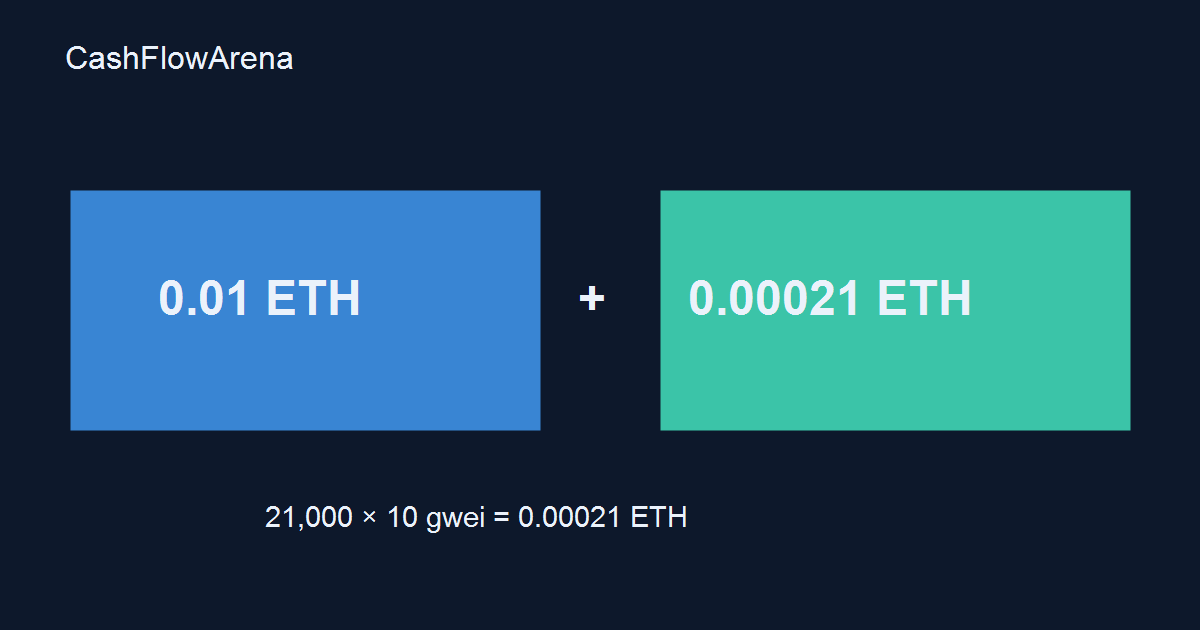
Illustrative ETH transfer value plus execution fee, with a gas calculation.

Separate the amount you send from the cost of executing a transaction. A worked example explains gas used, gas price and failed transactions.

Categories Transactions & Fees
Older posts
Newer posts
← Previous Page1 Page2 Page3 Next →

Recent Posts

  • Ethereum Block Number: Reading Height, Hash, and State
  • Ethereum Contract Creation: Init Code and the Resulting Address
  • Ethereum Logs vs Events: How to Read an Emitted Record
  • eth_call vs Transaction: What Ethereum Simulation Establishes
  • Ethereum Transaction Input Data: Understanding Bytes and ABI Decoding

Recent Comments

No comments to show.
© 2026 cashflowarena.com • Built with GeneratePress